


Neck Pain Relief & Better Sleep Guide
Expert tips, guides & sleep wellness advice to help you wake up refreshed every day.
Neck Pain Relief & Better Sleep Guide
Expert tips, guides & sleep wellness advice to help you wake up refreshed every day.
How Bad Posture Silently Damages Your Spine Over Time
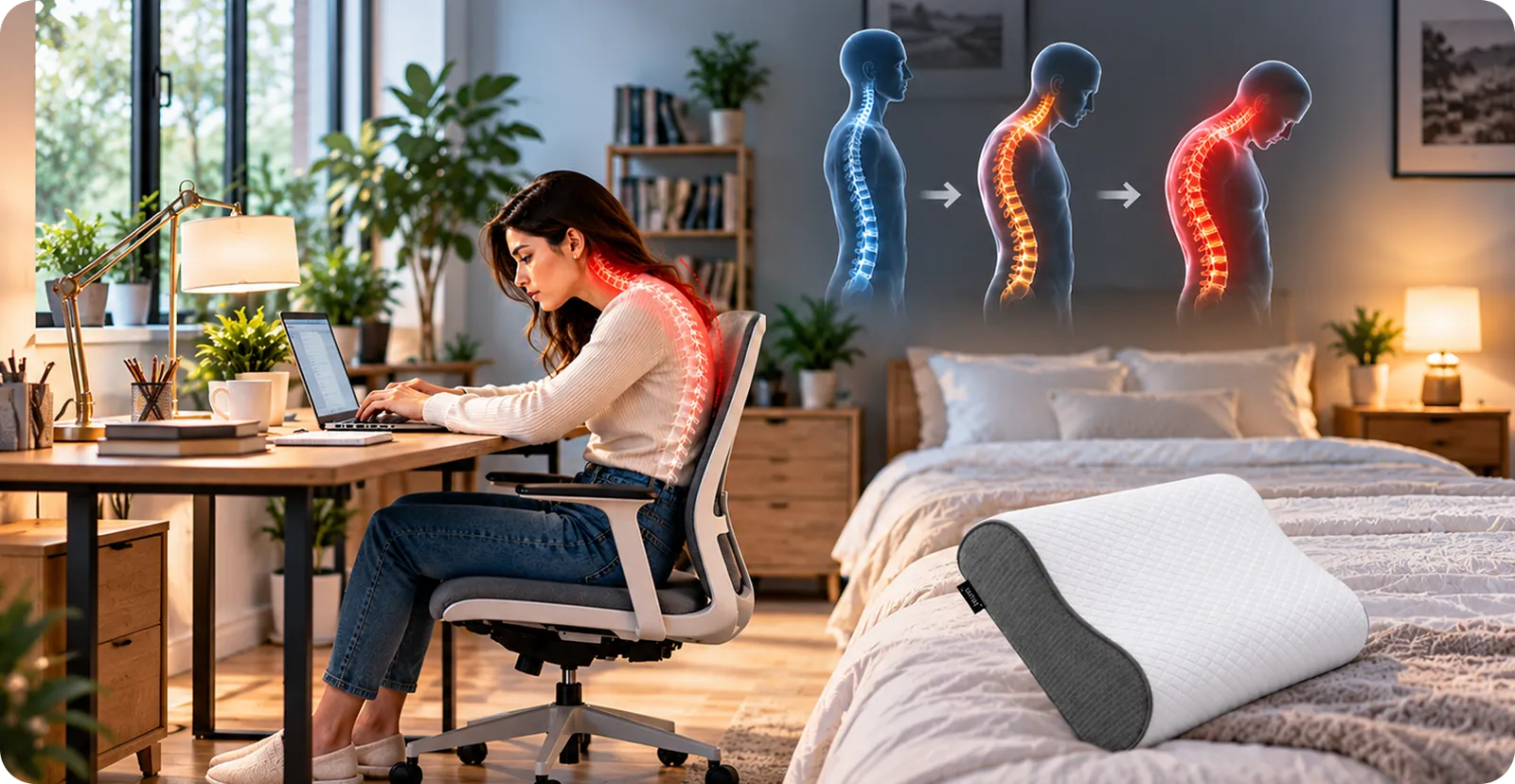
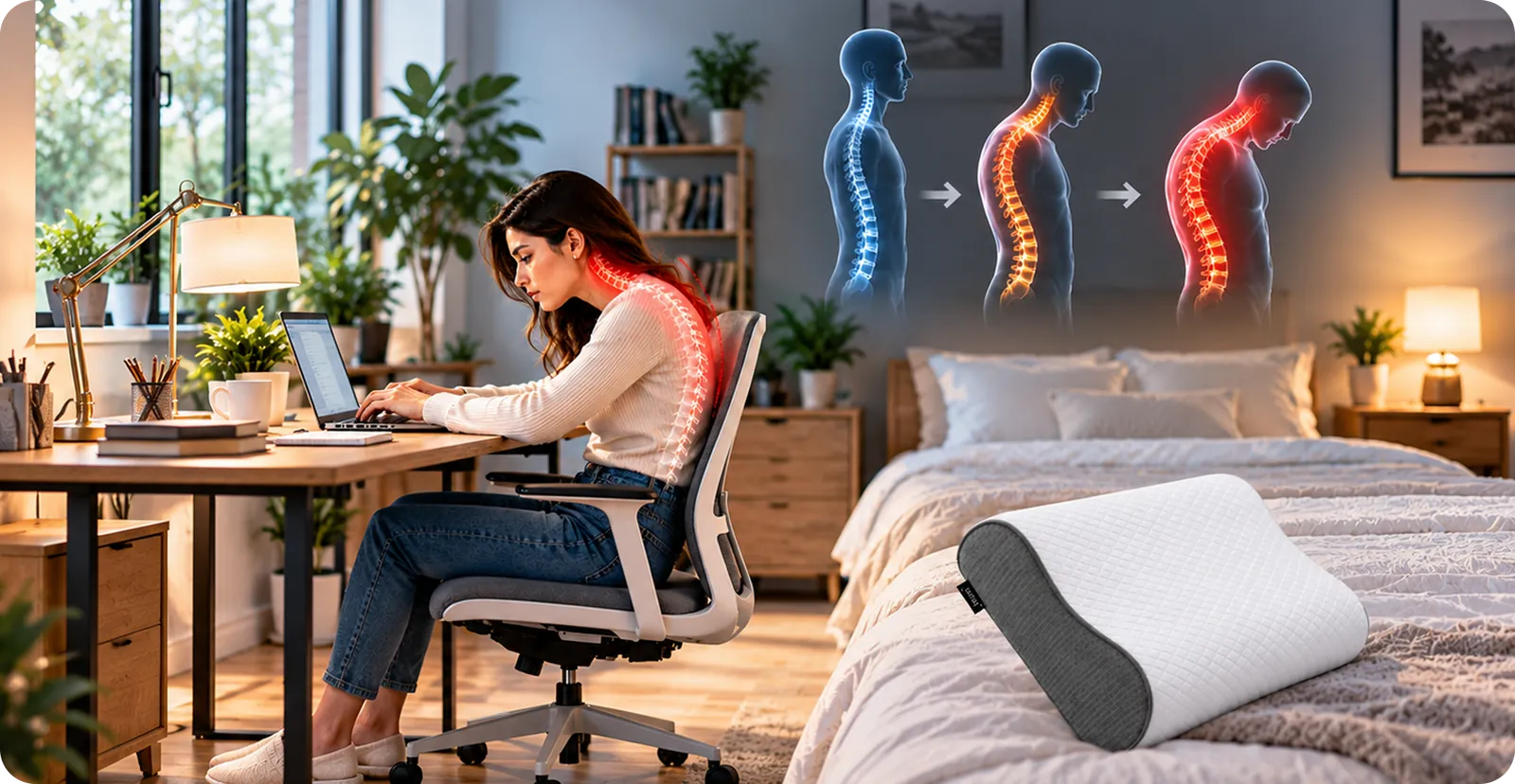
Slouching for five minutes won't hurt you. Slouching for five years is a different story — and your spine keeps a record of every hour. The timeline matters, because it tells you how much room you still have to act.
How Posture Shapes Your Spine Over Years
Your spine has natural curves designed to distribute weight evenly. Consistent poor posture — a rounded back, forward-leaning head, uneven shoulders — gradually trains muscles and ligaments to hold that misaligned position, even when you're not actively slouching.
Why it matters
Over time, this can compress spinal discs unevenly, tighten some muscle groups while weakening others, and shift how weight travels through your neck and lower back — often long before pain shows up.
Posture damage rarely announces itself early. It builds quietly until the compensations catch up with you.
Where Bad Posture Hits Hardest
Certain areas of the spine bear the brunt of poor daily posture, especially for anyone spending long hours at a desk or looking down at a screen.
Most affected areas
- Cervical spine (neck): Forward head posture adds multiplied load with every degree of tilt.
- Thoracic spine (upper back): Rounded shoulders flatten the natural upper back curve.
- Lumbar spine (lower back): Slouched sitting collapses the lower back's inward curve.
- Shoulder girdle: Chronic forward posture tightens chest muscles and weakens the upper back.
These changes often show up together, which is why posture fixes usually need to address the whole upper body, not just one spot.
Reversing the Damage Before It Becomes Permanent
The spine is remarkably adaptable — most posture-related changes can be improved with consistent effort, especially when caught before they become structural.
What actually helps
Strengthening the upper back muscles that pull your shoulders back, taking regular movement breaks, and supporting your neck's natural curve during the 7-9 hours you spend sleeping each night all work together. Since your spine spends a third of each day in bed, sleep posture matters just as much as sitting posture.
You don't need a dramatic overhaul — just consistent daily habits that stop reinforcing the same misalignment.
How Long Before Damage Sets In?
There's no single timeline that applies to everyone, but postural research generally points to a gradual pattern: noticeable muscle imbalances can develop within a few months of consistent poor posture, while measurable changes to spinal curvature and disc health tend to take years of sustained habits to fully set in.
Factors that speed it up
- Hours per day slouched: More cumulative time in poor posture accelerates muscle adaptation.
- Lack of counter-movement: No stretching or strengthening to offset the position.
- Poor sleep alignment: Undoes any daytime posture gains overnight.
- Sedentary lifestyle: Fewer opportunities for the body to reset to neutral.
The upside of a gradual timeline is that there's usually a meaningful window to intervene before changes become difficult to reverse.
The Financial Cost of Ignoring Posture
Beyond the physical toll, untreated postural damage often carries a real financial cost, since early, low-cost interventions are far cheaper than treating advanced structural issues.
Where the costs add up
Physical therapy, chiropractic care, ergonomic equipment and, in more severe cases, medical imaging or intervention all become more likely — and more expensive — the longer postural strain goes unaddressed. A supportive pillow and a few minutes of daily movement cost far less than treating a chronic condition years down the line.
Thinking of posture care as preventive maintenance, rather than a reactive expense, tends to save both discomfort and money.
Your Spine Remembers Every Habit
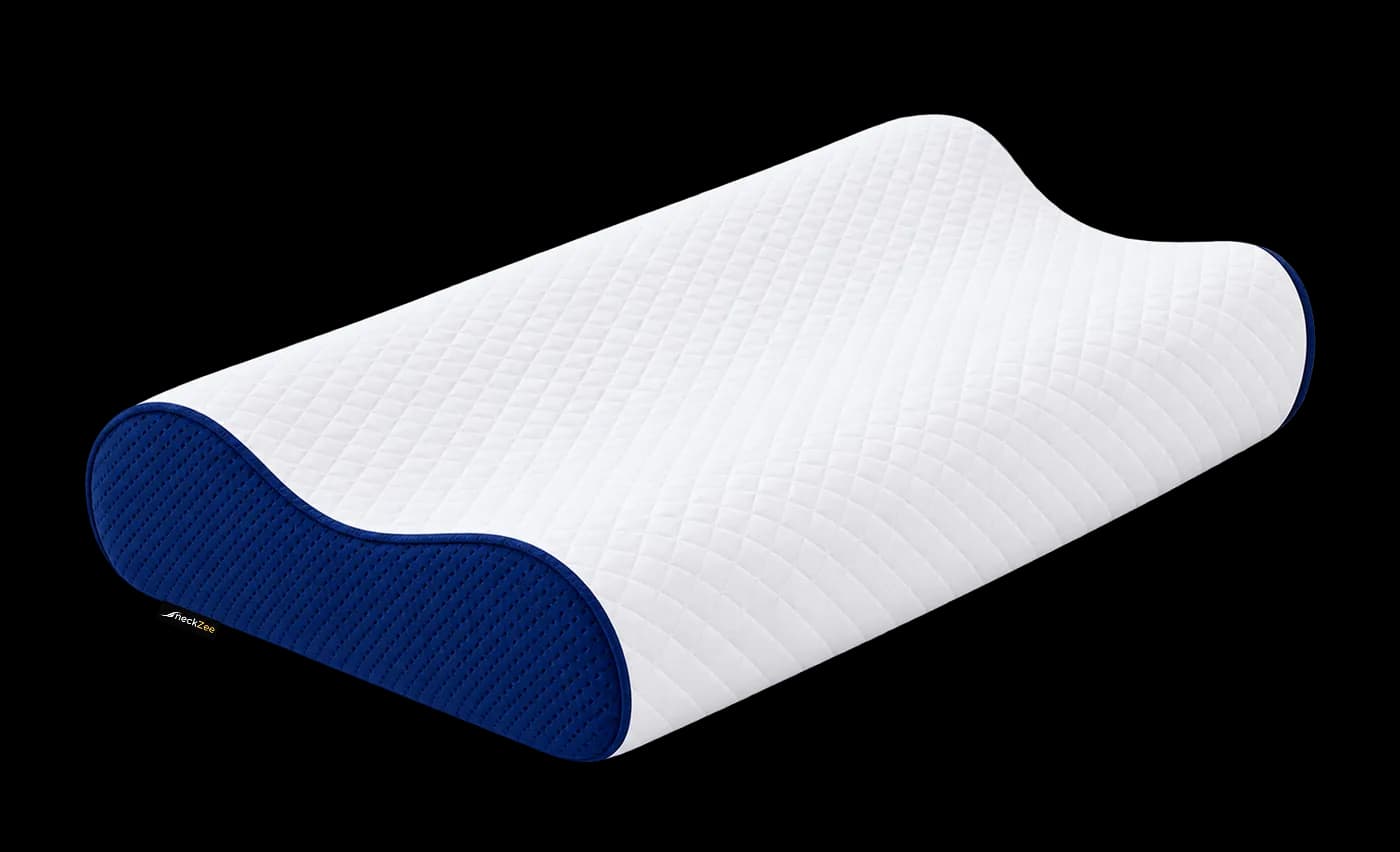
Bad posture rarely causes sudden pain — it accumulates quietly through thousands of small moments each day. The good news is the same principle works in reverse: consistent small corrections, both while awake and asleep, can meaningfully improve how your spine feels and functions over time. Catching the pattern early — before muscle imbalances become structural — is what makes correction realistic rather than a lifelong project. The habits that prevent damage are the same ones that reverse it in its early stages. None of this requires perfection — just steady attention paid consistently enough that your spine never has the chance to fully adapt to a poor position. Support your spine overnight too: a neck support pillow for sleeping helps keep your neck aligned while you rest.
Every hour of posture, good or bad, is a vote for how your spine will feel years from now.
Search Blogs
Categories



Stay Updated With Sleep Tips & Offers
Join our newsletter and get expert sleep tips, new product updates & exclusive offers.
No spam, ever. Unsubscribe anytime.

Related Blogs
Keep reading for more tips on better sleep, posture and neck comfort.
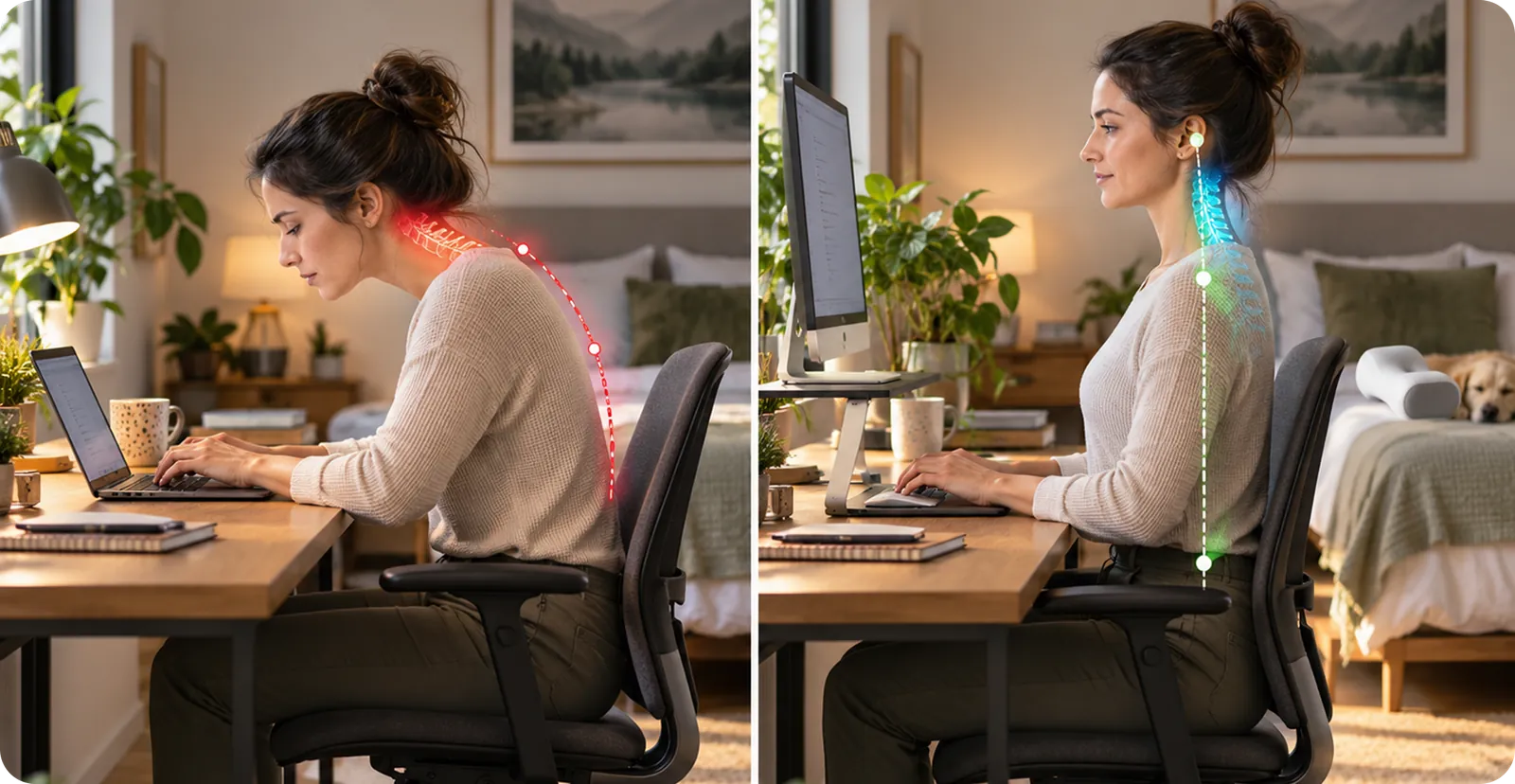
Forward Head Posture: What It Is and How to Correct It
Forward head posture strains your neck and spine more than you'd think. Learn what causes it, how to spot it, and exercises to correct it.
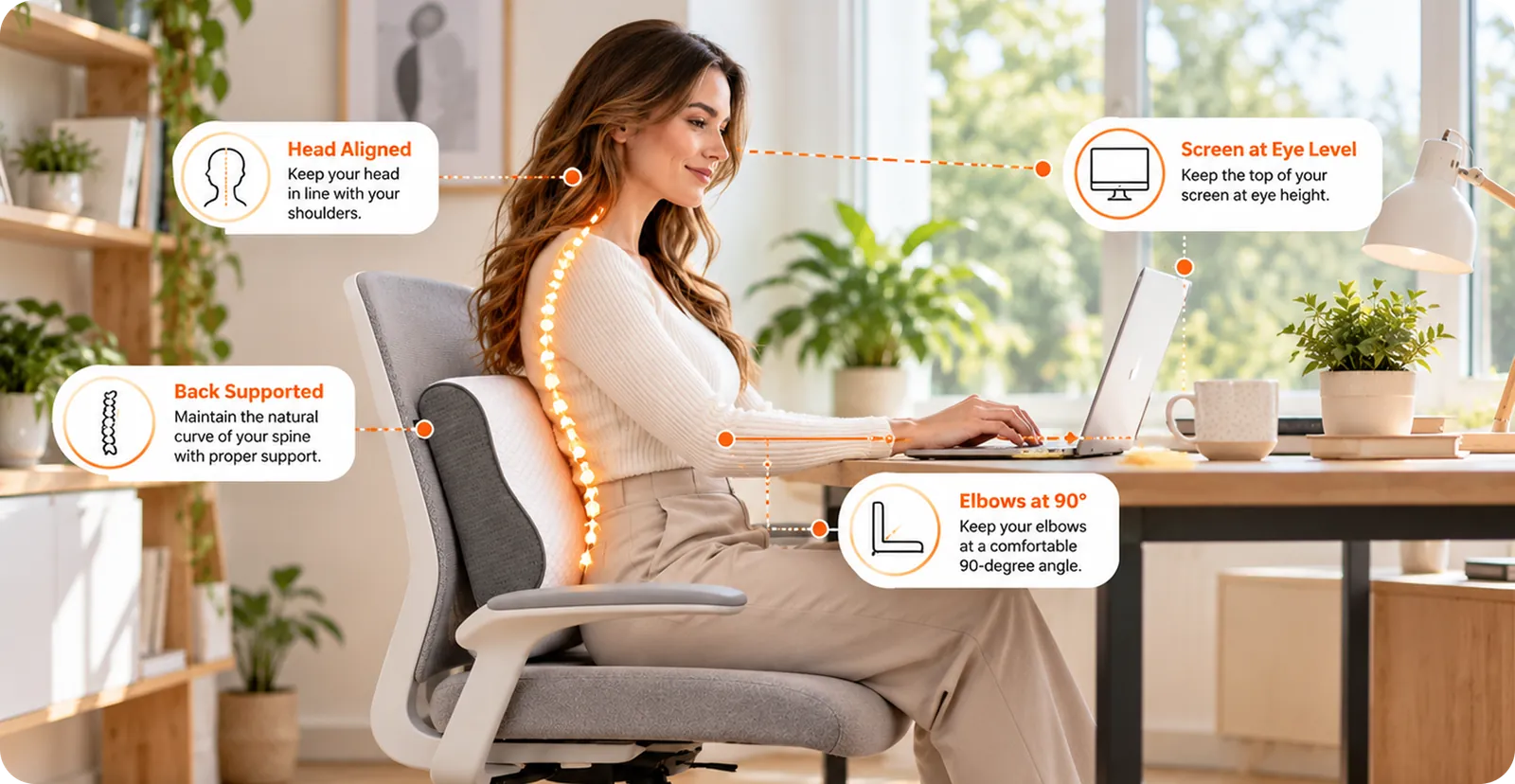
Best Sitting Posture Tips for Long Work-From-Home Hours
Long WFH hours can wreck your posture. Follow these practical sitting posture tips to protect your neck, back and shoulders during the workday.

How Sleep Quality Affects Your Immune System and Daily Energy
Poor sleep does more than tire you out — it weakens immunity and drains daily energy. Learn how sleep quality impacts your health and how to improve it.

Text Neck Syndrome: Causes, Symptoms and How to Fix It
Constant phone use can cause 'text neck.' Learn the symptoms of text neck syndrome, what causes it, and practical ways to relieve and prevent it.
Frequently Asked Questions
See what our customers have to say.
Wake Up With Better Neck Support
Premium memory foam bed pillow designed for comfortable, everyday neck support and restful sleep.
Explore Bed Pillow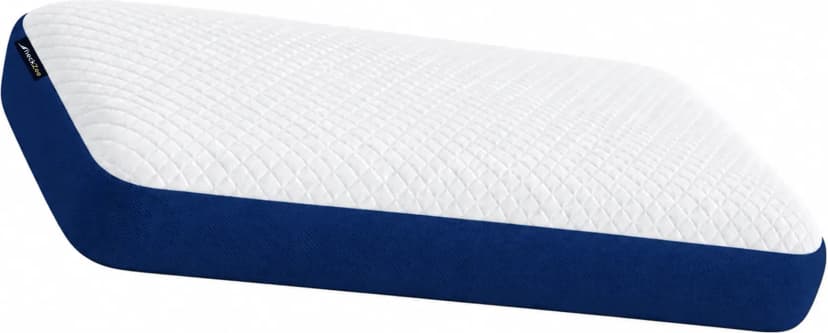

Free Shipping
Pan India

7 Days
Money Back

Secure Payment
UPI & Cards

Designed for
Better Sleep