

Neck Pain Relief & Better Sleep Guide
Expert tips, guides & sleep wellness advice to help you wake up refreshed every day.
Neck Pain Relief & Better Sleep Guide
Expert tips, guides & sleep wellness advice to help you wake up refreshed every day.

How Sleep Quality Affects Your Immune System and Daily Energy
Sleep isn't just downtime for your brain — it's when your immune system does its most important repair work. Skimp on quality sleep, and you'll feel it in more than just your energy levels. It's one of the most overlooked levers for feeling — and staying — well.
Sleep and Immunity Are More Connected Than You Think
While you sleep, your body produces cytokines — proteins that help fight infection, inflammation and stress. Deep sleep is when this immune activity peaks, which is why a single bad night can leave you more susceptible to colds and slower to recover from illness.
Why it matters
Chronic short or fragmented sleep suppresses immune function and reduces the body's antibody response, according to sleep researchers. Over months and years, this can mean more sick days and slower healing from everyday wear and tear.
Protecting your sleep is one of the simplest ways to protect your immune system — no supplement required.
How Poor Sleep Drains Your Daily Energy
Fatigue after a bad night isn't only about hours logged — it's about how much of that time was spent in deep, uninterrupted sleep. Waking frequently, even briefly, resets your sleep cycle and leaves you running on a shallower version of rest.
Key energy drains
- Frequent waking: Tossing and turning fragments deep sleep, even if total hours look normal.
- Neck and shoulder tension: Discomfort from poor pillow support pulls you out of deep sleep stages.
- Inconsistent sleep schedule: Irregular bed and wake times confuse your body's internal clock.
- Screen exposure before bed: Blue light delays melatonin release, pushing sleep onset later.
Addressing even one of these factors can noticeably improve how rested you feel the next day.
Building a Sleep Routine That Supports Immunity
Small, consistent changes compound. A predictable wind-down routine signals your body that it's time to shift into recovery mode, which helps you reach deep sleep faster and stay there longer.
What helps most
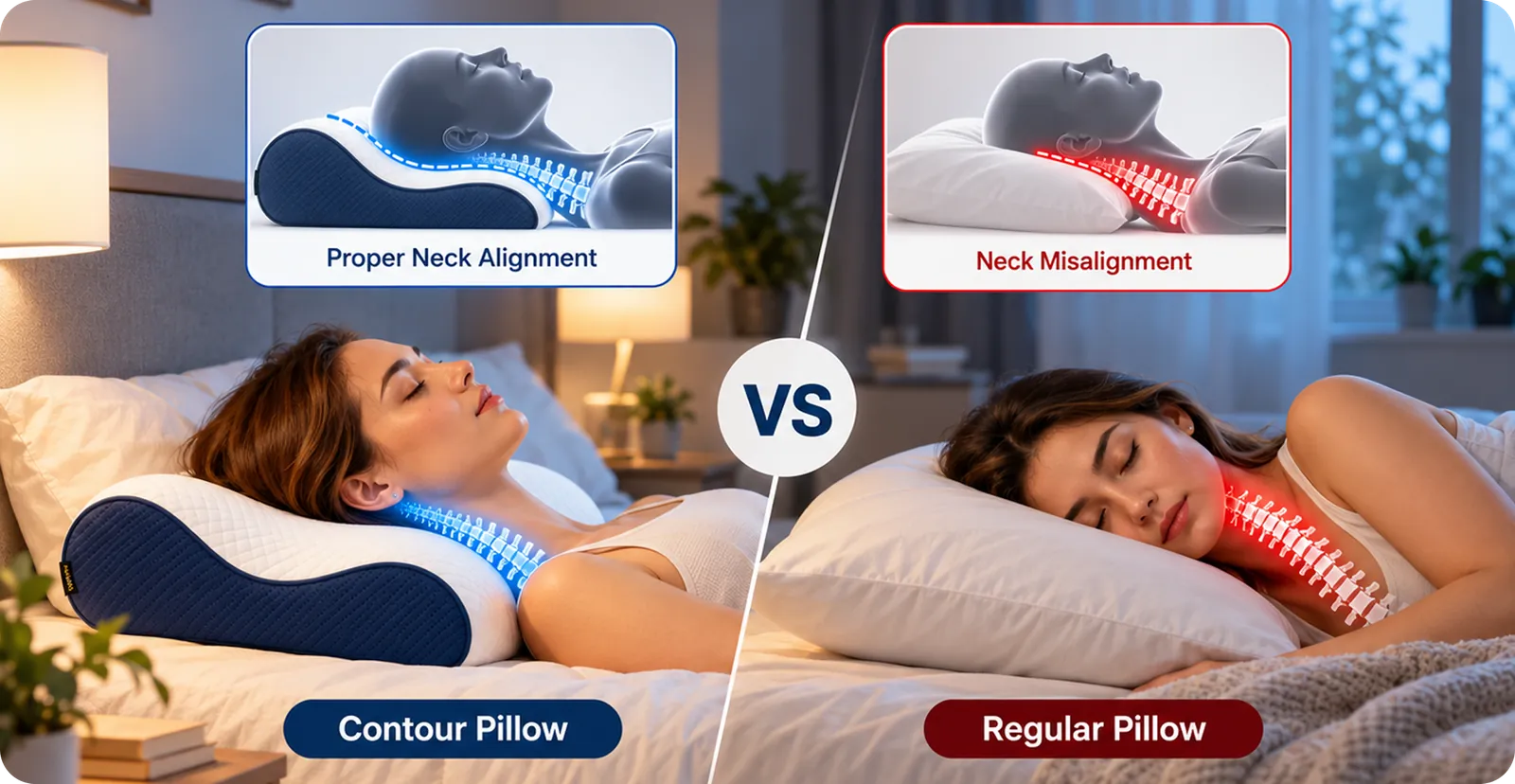
Keep a consistent sleep and wake time, dim lights an hour before bed, and make sure your pillow keeps your neck aligned so you're not shifting positions all night to escape discomfort. Comfort is not a luxury here — it's what lets your body stay in deep sleep long enough to do its immune repair work.
The goal isn't a perfect night every night — it's removing the obstacles that keep pulling you out of deep sleep.
How Much Sleep Do You Actually Need?
Immune-supportive sleep isn't just about quality — quantity still matters as a baseline. Most adults need between seven and nine hours per night for their immune system to complete a full cycle of repair, though the exact number varies by age, activity level and overall health.
Signs you're not getting enough
- Frequent illness: Catching colds more often than usual can signal chronically short sleep.
- Slow recovery: Minor injuries or illnesses take longer than expected to heal.
- Daytime drowsiness: Needing caffeine or naps just to function normally.
- Mood changes: Increased irritability or difficulty concentrating during the day.
If several of these sound familiar, treat it as a signal to prioritize both the hours and the quality of your sleep, not just one or the other.
Sleep and Immunity Across the Seasons
Immune-supportive sleep needs shift somewhat with the seasons — cold and flu season in particular makes consistent sleep habits even more valuable.
Why timing matters
Sleep deprivation compounds with seasonal immune challenges, meaning the same short-sleep habit that's merely inconvenient in summer can leave you noticeably more vulnerable during colder months when exposure to illness is higher.
Treating consistent sleep as a seasonal priority, not just a general goal, can meaningfully reduce how often you get sick.
Better Sleep Is a Health Investment
Think of sleep as your body's nightly maintenance window. The immune system, energy reserves and even mood all depend on getting enough uninterrupted deep sleep. Prioritizing your sleep environment — including the pillow that supports your neck through the night — is one of the most overlooked ways to support your health long term. Treat it as compounding interest: a few consistently good nights build resilience that pays off for weeks, while chronic short sleep quietly erodes it. Start with the basics — a consistent schedule and a pillow that actually supports you — and the rest tends to follow. A comfortable memory foam bed pillow for sleeping is one simple upgrade that makes consistent, uninterrupted sleep easier.
Better sleep isn't a bonus — it's the foundation your immune system and energy depend on every day.
Search Blogs
Categories


Stay Updated With Sleep Tips & Offers
Join our newsletter and get expert sleep tips, new product updates & exclusive offers.
No spam, ever. Unsubscribe anytime.

Related Blogs
Keep reading for more tips on better sleep, posture and neck comfort.

Why You Wake Up Tired Even After 8 Hours of Sleep
Sleeping a full 8 hours but still waking up exhausted? Discover the hidden reasons — from sleep quality to pillow support — and how to fix them.

The Connection Between Sleep Posture and Long-Term Neck Health
Your sleep posture does more than affect comfort — it shapes your neck health for years. Learn how nightly alignment impacts pain, mobility and aging.

Sleep Hygiene 101: Small Habits That Transform Your Nights
Struggling to fall or stay asleep? These simple sleep hygiene habits — from routine to room setup — can transform your nights and how you feel each morning.

How Room Temperature and Pillow Choice Impact Deep Sleep
Deep sleep depends on more than time in bed. See how room temperature and the right pillow work together to help your body reach restorative sleep.
Frequently Asked Questions
See what our customers have to say.
Wake Up With Better Neck Support
Premium memory foam bed pillow designed for comfortable, everyday neck support and restful sleep.
Explore Bed Pillow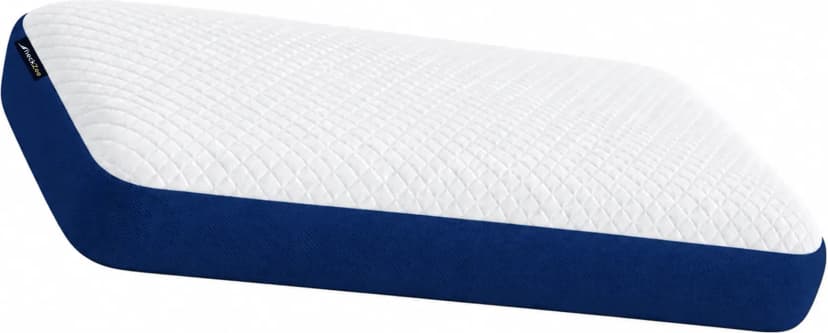

Free Shipping
Pan India

7 Days
Money Back

Secure Payment
UPI & Cards

Designed for
Better Sleep