


Neck Pain Relief & Better Sleep Guide
Expert tips, guides & sleep wellness advice to help you wake up refreshed every day.
Neck Pain Relief & Better Sleep Guide
Expert tips, guides & sleep wellness advice to help you wake up refreshed every day.

Sleep Hygiene 101: Small Habits That Transform Your Nights
Good sleep hygiene isn't about a dramatic lifestyle overhaul — it's a handful of small, consistent habits that make falling and staying asleep noticeably easier. It's just as useful to know what quietly works against these habits as it is to know what helps.
What Sleep Hygiene Actually Means
Sleep hygiene refers to the habits and environment surrounding your sleep — everything from your bedtime routine to your room setup. It's less about any single fix and more about removing the small frictions that make good sleep harder than it needs to be.
Why it matters
Your body relies on consistent cues to know when to wind down and when to stay alert. Inconsistent routines and a disruptive sleep environment send mixed signals that make quality sleep harder to reach, even with enough hours available.
Small, consistent cues matter more than occasional big efforts.
Core Sleep Hygiene Habits
These are the habits with the strongest, most consistent research support behind them.
Habits worth prioritizing
- Consistent sleep schedule: Same bed and wake time, even on weekends, stabilizes your circadian rhythm.
- Wind-down routine: A predictable pre-bed routine signals your body to start relaxing.
- Limit screens before bed: Blue light delays natural melatonin release.
- Comfortable sleep setup: A supportive pillow and mattress reduce discomfort-driven waking.
None of these require major changes — just consistency over time.
Building Habits That Actually Stick
The biggest challenge with sleep hygiene usually isn't knowing what to do — it's making the habits stick long enough to see results.
Making it sustainable
Start with one or two changes rather than overhauling everything at once. A consistent wind-down routine paired with a genuinely comfortable sleep setup tends to produce the most noticeable early results, which makes it easier to stay motivated to keep the other habits going.
Small wins early on make the rest of the routine much easier to maintain.
Habits That Quietly Undermine Sleep Hygiene
Alongside the habits that help, a few common daily behaviors can undo good sleep hygiene without feeling obviously harmful in the moment.
Watch out for these
- Weekend sleep-ins: Large schedule shifts on weekends disrupt your circadian rhythm.
- Working from bed: Blurs the mental association between bed and sleep.
- Late, heavy meals: Can interfere with falling asleep and staying asleep.
- Checking the clock at night: Increases anxiety about sleep, making it harder to fall back asleep.
Removing even one or two of these habits often has a noticeable effect, especially alongside the positive habits already in place.
Sleep Hygiene for Shift Workers and Irregular Schedules
Standard sleep hygiene advice assumes a consistent night-sleep schedule, which doesn't fit everyone — shift workers and people with irregular hours need a slightly different approach.
Adjustments that help
- Blackout curtains: Essential for daytime sleep when natural light would otherwise disrupt rest.
- Consistent anchor sleep block: Keeping at least a core few hours consistent, even with a rotating schedule.
- Strategic caffeine timing: Used early in a shift rather than close to the planned sleep window.
- Protected wind-down time: Just as important before daytime sleep as before nighttime sleep.
The core principles of sleep hygiene still apply for irregular schedules — they just need to be adapted around whenever your actual sleep window falls. Whatever your schedule looks like, the underlying goal is the same: give your body clear, consistent cues about when to wind down and when to be alert, and remove as many small frictions from that process as you reasonably can. Revisit your routine every few months, since what worked well during one particular season or stage of life may need small, deliberate adjustments as your daily schedule, stress levels, or sleeping environment gradually change over time. Treat it as an ongoing practice you periodically fine-tune, rather than a checklist you complete once and never think about again.
Consistency Beats Perfection
Sleep hygiene isn't about achieving a flawless routine every single night — it's about stacking small, consistent habits that add up to noticeably better sleep over time. A comfortable, supportive sleep environment is one of the easiest habits to set once and benefit from every night after. Good sleep hygiene is really about protecting the habits you've built from being undone by a handful of easy-to-miss daily behaviors. Upgrading your pillow is an easy habit to add — a memory foam bed pillow for sleeping is a good place to start.
Small, consistent habits do more for your sleep than any single big change.
Search Blogs
Categories



Stay Updated With Sleep Tips & Offers
Join our newsletter and get expert sleep tips, new product updates & exclusive offers.
No spam, ever. Unsubscribe anytime.

Related Blogs
Keep reading for more tips on better sleep, posture and neck comfort.

How Sleep Quality Affects Your Immune System and Daily Energy
Poor sleep does more than tire you out — it weakens immunity and drains daily energy. Learn how sleep quality impacts your health and how to improve it.

Why You Wake Up Tired Even After 8 Hours of Sleep
Sleeping a full 8 hours but still waking up exhausted? Discover the hidden reasons — from sleep quality to pillow support — and how to fix them.

The Connection Between Sleep Posture and Long-Term Neck Health
Your sleep posture does more than affect comfort — it shapes your neck health for years. Learn how nightly alignment impacts pain, mobility and aging.

How Room Temperature and Pillow Choice Impact Deep Sleep
Deep sleep depends on more than time in bed. See how room temperature and the right pillow work together to help your body reach restorative sleep.
Frequently Asked Questions
See what our customers have to say.
Wake Up With Better Neck Support
Premium memory foam bed pillow designed for comfortable, everyday neck support and restful sleep.
Explore Bed Pillow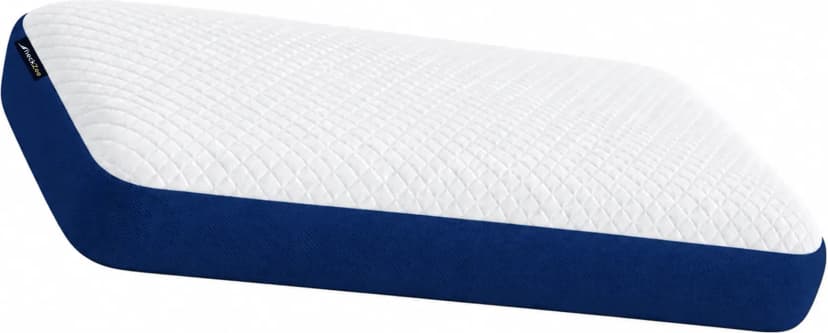

Free Shipping
Pan India

7 Days
Money Back

Secure Payment
UPI & Cards

Designed for
Better Sleep