


Neck Pain Relief & Better Sleep Guide
Expert tips, guides & sleep wellness advice to help you wake up refreshed every day.
Neck Pain Relief & Better Sleep Guide
Expert tips, guides & sleep wellness advice to help you wake up refreshed every day.

Sleep Quantity Isn't the Whole Story
Sleep happens in cycles of roughly 90 minutes, moving through light, deep and REM stages. Waking up tired after a full night usually means those cycles were interrupted or shallow, even if the total hours add up correctly.
Why it matters
If you're jolted out of deep sleep repeatedly — by discomfort, noise, or an awkward sleeping position — your body doesn't get the same restorative benefit as one long, uninterrupted stretch, even if the clock says eight hours.
It's the quality and continuity of those cycles that determines how rested you actually feel.
Common Hidden Causes of Non-Restorative Sleep
Several everyday factors quietly fragment sleep without fully waking you, which is why they're easy to overlook.
What to check first
- Neck or shoulder discomfort: Causes micro-adjustments that pull you out of deep sleep repeatedly.
- Inconsistent bedtime: Confuses your circadian rhythm even if total sleep hours stay the same.
- Late caffeine or alcohol: Both interfere with deep sleep stages hours after consumption.
- Room too warm: Elevated body temperature delays and disrupts deep sleep.
Most of these are fixable once you identify which one applies to you.
How to Actually Improve Sleep Quality
Improving how rested you feel usually means removing whatever is disrupting your sleep cycles, rather than simply adding more hours in bed.
Where to start
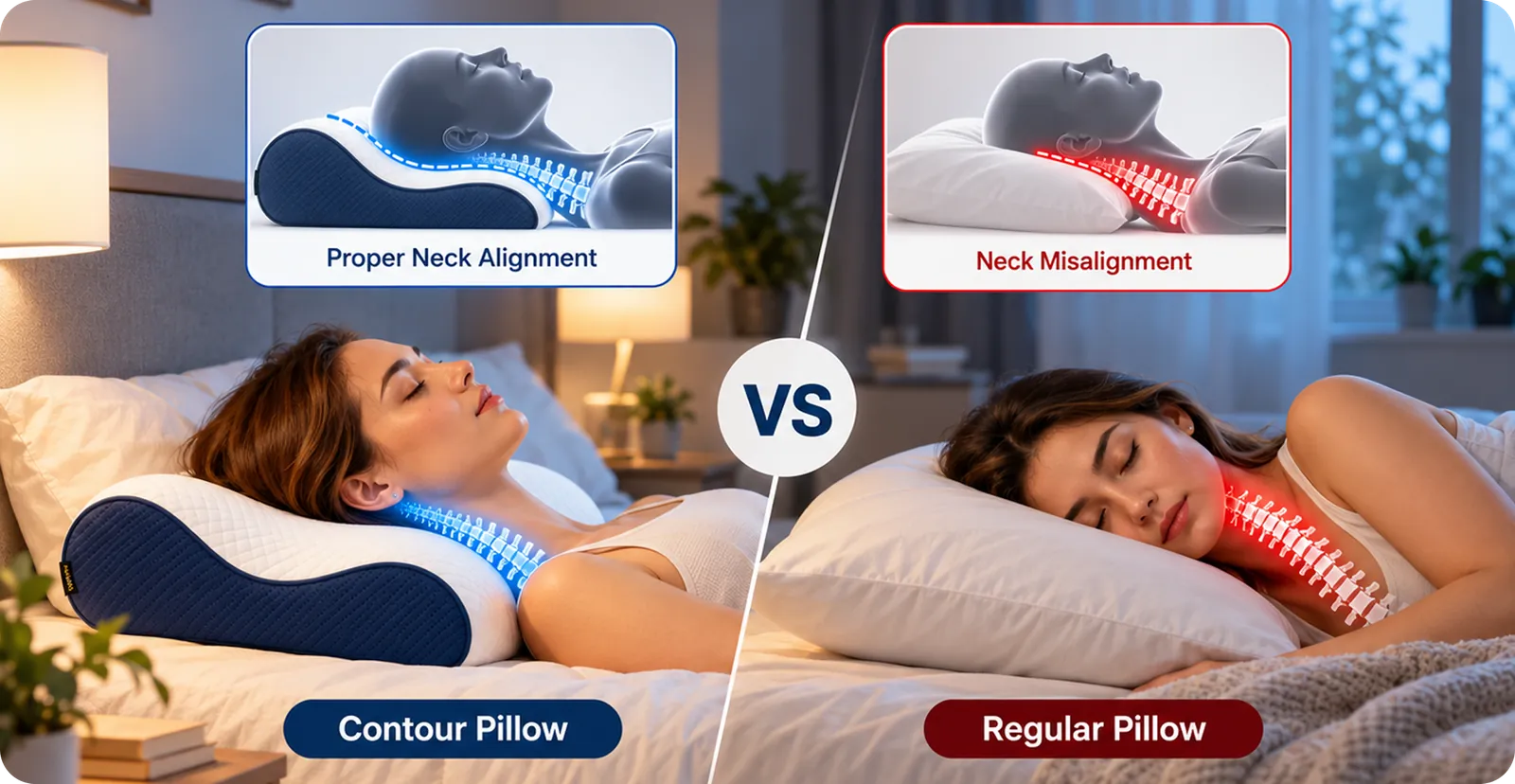
Keep your bedroom cool and dark, set a consistent bedtime, and make sure your pillow keeps your neck properly supported — discomfort is one of the most common, and most overlooked, reasons people shift positions and wake repeatedly through the night without remembering it in the morning.
Fix the disruptions, and the same eight hours will feel completely different.
When to Consider a Sleep Study
Most cases of non-restorative sleep respond well to environment and habit changes, but persistent tiredness despite consistent effort can sometimes point to an underlying issue worth investigating further.
Signs worth flagging to a doctor
Loud snoring, gasping during sleep, or consistently waking unrefreshed despite a solid routine and comfortable setup can be signs of sleep apnea or another sleep disorder. These conditions fragment deep sleep in ways that lifestyle changes alone can't fully resolve.
If you've addressed the common culprits and still aren't waking rested, it's worth raising with a healthcare provider rather than assuming it's simply how you're built.
The Role of Your Sleep Environment Beyond the Bed
Sleep quality isn't only shaped by what's directly under you — the broader environment around your bed plays a significant role in how restorative your sleep actually is.
Environmental factors to check
- Light exposure: Even small amounts of light can interfere with melatonin production and sleep depth.
- Noise levels: Intermittent noise disrupts sleep more than constant, low background sound.
- Air quality: Poor ventilation or high humidity can make sleep feel less restful.
- Electronics in the room: Notification sounds and light from devices cause frequent, often unnoticed, awakenings.
Auditing your sleep environment alongside your pillow and schedule often uncovers additional, easily fixable disruptions.
Rested Is About Quality, Not Just Quantity
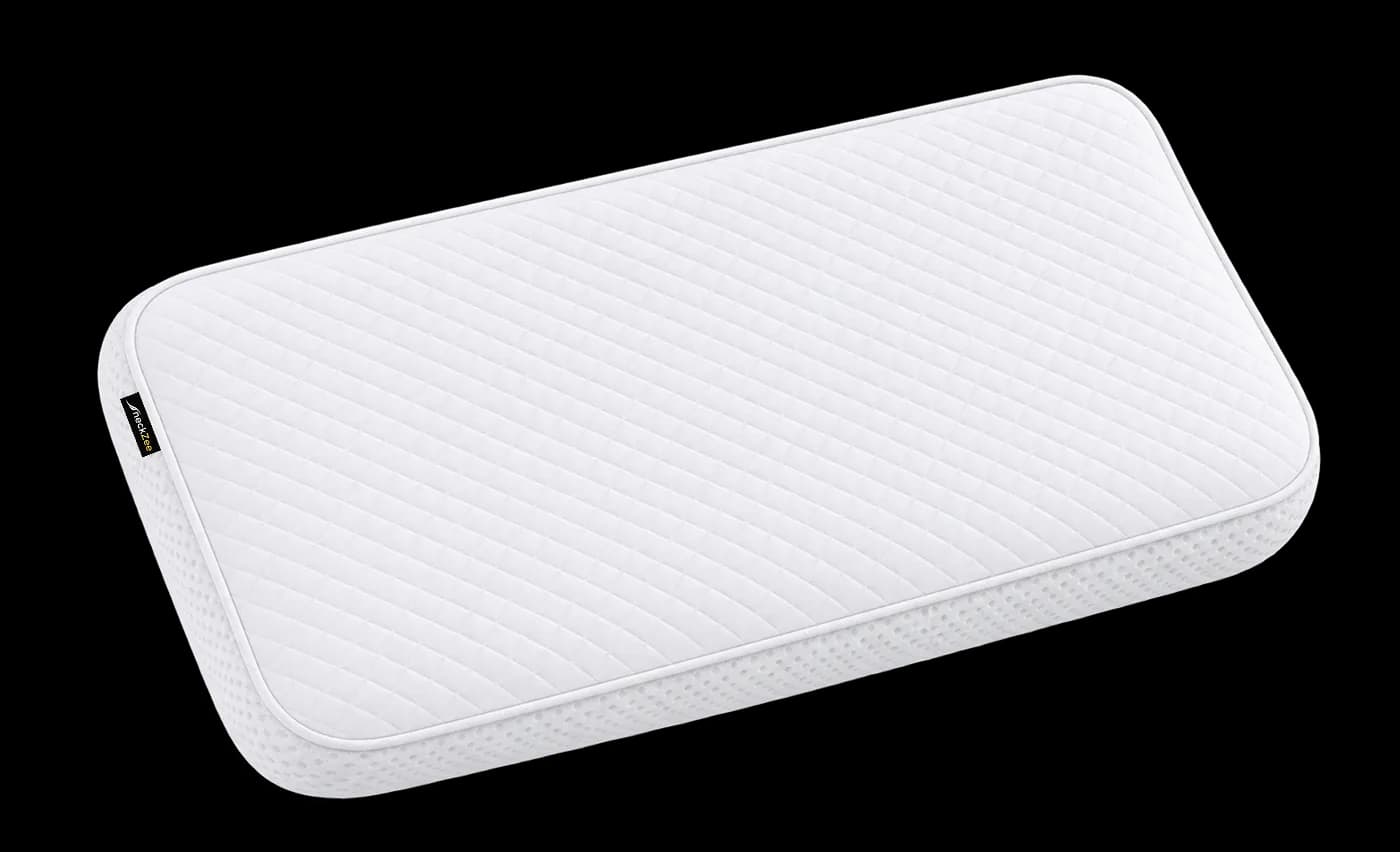
If you're consistently tired despite a full night's sleep, the answer usually isn't more hours — it's fewer interruptions. Small changes to your sleep environment and support can turn technically-adequate sleep into genuinely restorative sleep. Start with the changes you can control — consistency, temperature, and support — and give them a real trial of a few weeks before assuming something more serious is at play. Most people notice a difference well before the few weeks are up, especially once discomfort-driven waking is no longer part of the equation. Waking up rested is less about chasing a perfect night and more about consistently removing the small things working against you. Keep a short list of what you've changed and when, so you can actually tell which adjustment made the difference rather than guessing after the fact and repeating the same trial and error later. Your pillow is part of the equation — a supportive memory foam bed pillow for sleeping can help you stay comfortable through the night.
Eight hours only counts if your body actually gets to use them.
Search Blogs
Categories



Stay Updated With Sleep Tips & Offers
Join our newsletter and get expert sleep tips, new product updates & exclusive offers.
No spam, ever. Unsubscribe anytime.

Related Blogs
Keep reading for more tips on better sleep, posture and neck comfort.

How Sleep Quality Affects Your Immune System and Daily Energy
Poor sleep does more than tire you out — it weakens immunity and drains daily energy. Learn how sleep quality impacts your health and how to improve it.

The Connection Between Sleep Posture and Long-Term Neck Health
Your sleep posture does more than affect comfort — it shapes your neck health for years. Learn how nightly alignment impacts pain, mobility and aging.

Sleep Hygiene 101: Small Habits That Transform Your Nights
Struggling to fall or stay asleep? These simple sleep hygiene habits — from routine to room setup — can transform your nights and how you feel each morning.

How Room Temperature and Pillow Choice Impact Deep Sleep
Deep sleep depends on more than time in bed. See how room temperature and the right pillow work together to help your body reach restorative sleep.
Frequently Asked Questions
See what our customers have to say.
Wake Up With Better Neck Support
Premium memory foam bed pillow designed for comfortable, everyday neck support and restful sleep.
Explore Bed Pillow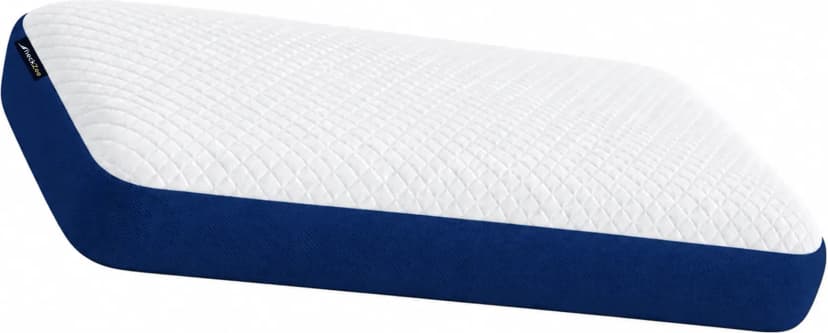

Free Shipping
Pan India

7 Days
Money Back

Secure Payment
UPI & Cards

Designed for
Better Sleep