

Neck Pain Relief & Better Sleep Guide
Expert tips, guides & sleep wellness advice to help you wake up refreshed every day.
Neck Pain Relief & Better Sleep Guide
Expert tips, guides & sleep wellness advice to help you wake up refreshed every day.

Neck Pain vs Shoulder Pain: How to Tell the Difference and Treat Each
Neck and shoulder pain often show up together, which makes it easy to treat them as the same problem — but the underlying causes, and the fixes, aren't always identical. It's also worth knowing when either type of pain stops being something to self-manage.
Why These Two Are Easy to Confuse
The muscles connecting your neck and shoulders — particularly the trapezius — overlap significantly, so pain in one area often radiates into the other. This shared muscle group is exactly why the two types of pain are so frequently mistaken for one another.
Why it matters
Treating the wrong source of pain can mean you address symptoms without ever resolving the actual cause, leading to discomfort that keeps returning despite your best efforts.
Identifying which area is actually the root cause makes treatment far more effective.
Key Differences to Look For
A few distinguishing signs can help clarify whether your pain originates in the neck, the shoulder, or genuinely both.
How to tell them apart
- Neck pain: Often worsens with head movement or turning, and may include headaches.
- Shoulder pain: Typically worsens with arm movement, especially reaching overhead.
- Radiating pain: Neck issues can radiate down into the shoulder and arm; shoulder issues rarely radiate up into the head.
- Timing: Neck pain often feels worse in the morning; shoulder pain often worsens with daytime activity.
If pain consistently follows one of these patterns, it points toward where the underlying issue actually starts.
Treating Each Effectively
While the two conditions overlap, targeted treatment tends to work better than a generic approach for either.
What helps each
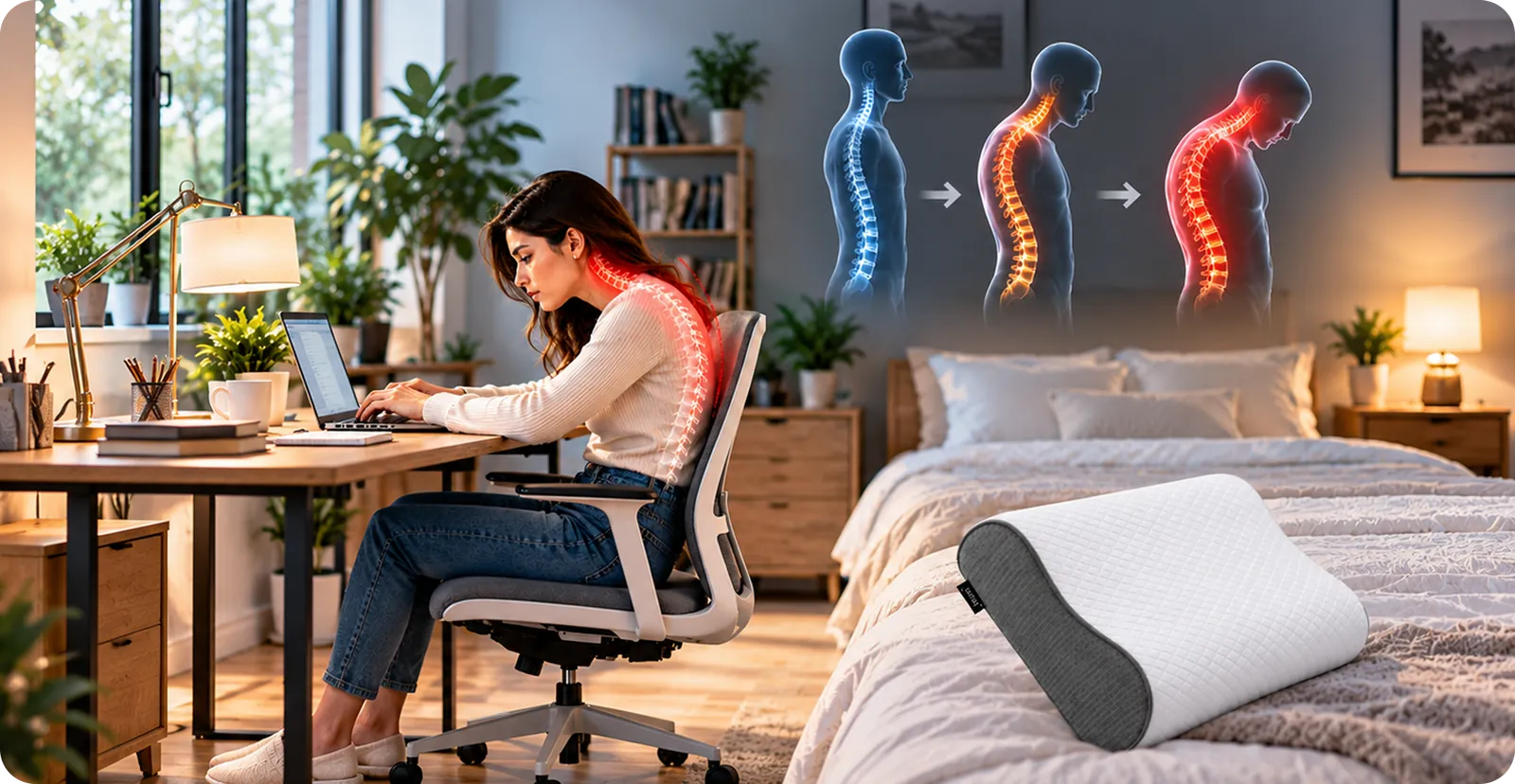
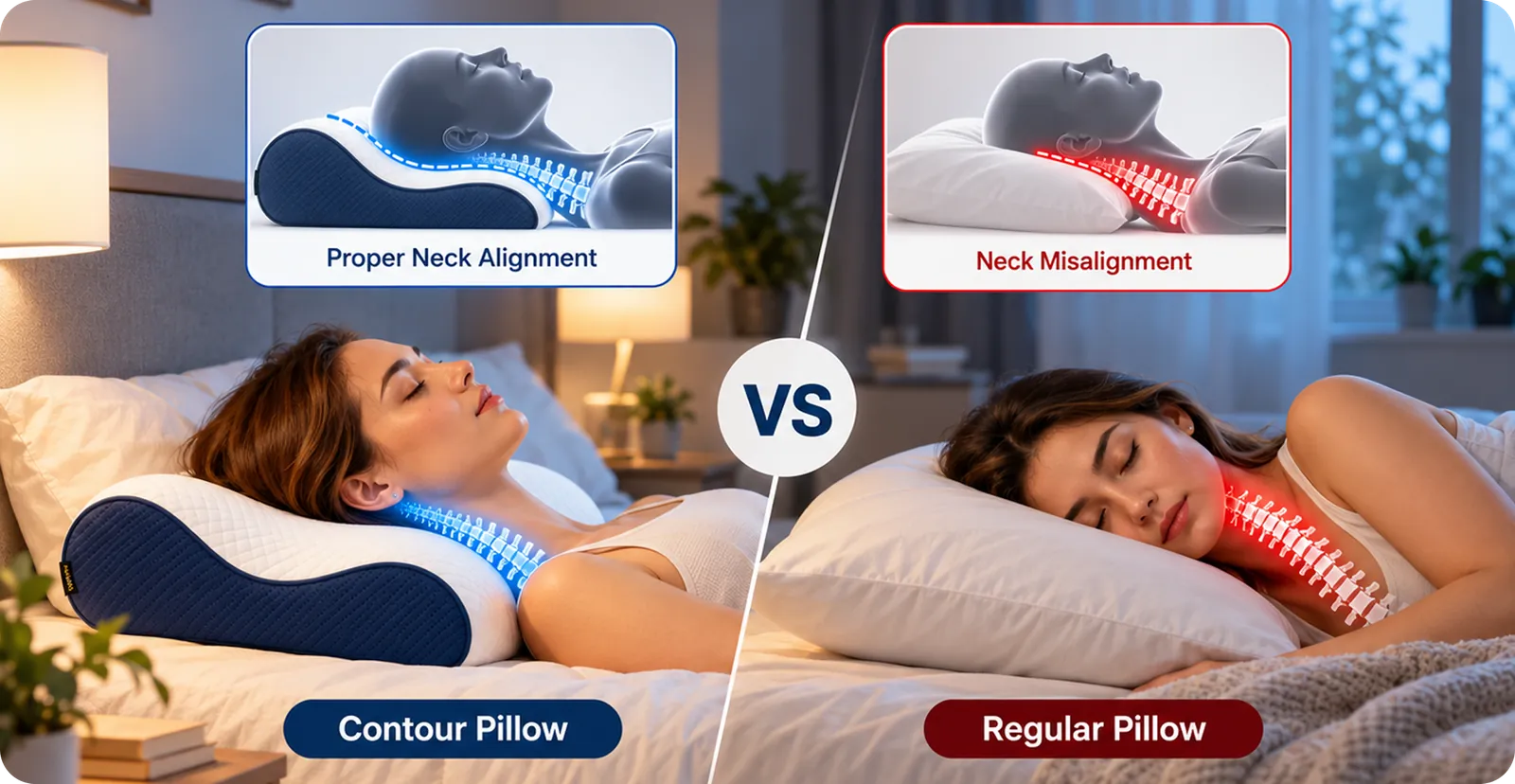
For neck-driven pain, proper cervical support during sleep and posture correction during the day tend to have the biggest impact. For shoulder-driven pain, mobility exercises and reducing overhead strain are usually more effective. When both are present, addressing neck alignment first often reduces the shoulder tension that stems from it.
Because the trapezius connects both areas, improving neck support often provides shoulder relief as a secondary benefit.
When Pain Signals Something More Serious
Most neck and shoulder pain is muscular and responds well to posture and support changes, but a few warning signs suggest it's worth seeing a doctor rather than managing it at home.
Red flags to watch for
Numbness or tingling radiating down an arm, weakness in the hand or arm, or pain following a specific injury are signs that shouldn't be self-treated. Persistent pain that doesn't improve after a few weeks of consistent posture and support changes is also worth a professional evaluation.
Most cases don't fall into this category, but knowing the difference means you won't waste time on stretches and support changes if something more serious needs attention.
How Daily Habits Contribute to Each
Beyond acute causes, everyday habits often quietly contribute to both neck and shoulder pain developing in the first place.
Common contributing habits
- Carrying a heavy bag on one shoulder: Creates uneven loading that strains both areas asymmetrically.
- Phone cradling: Holding a phone between ear and shoulder repeatedly strains both regions at once.
- Overhead reaching without core engagement: Increases shoulder strain that can radiate into the neck.
- Poor sleep support: Affects both areas simultaneously given their shared muscle connections.
Adjusting these small daily habits often reduces the frequency of both types of pain, even before addressing any specific treatment. Small daily adjustments, paired with attention to how you sleep and sit, tend to prevent far more discomfort than any single treatment applied after pain has already set in. If pain becomes a daily occurrence despite these adjustments, that persistence itself is useful information — it usually means the underlying cause needs more direct attention than habit changes alone can provide.
Treat the Source, Not Just the Symptom
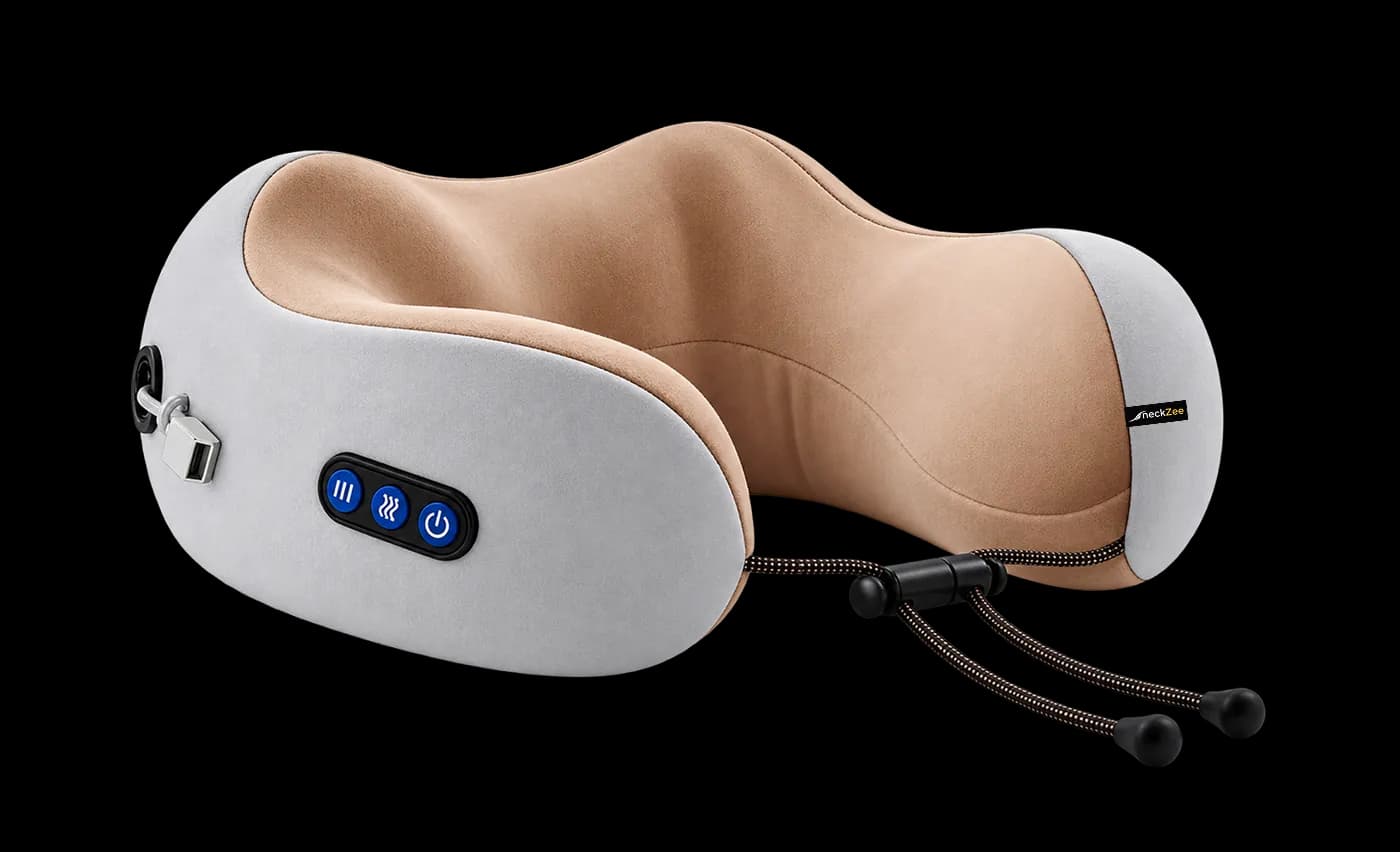
Neck and shoulder pain are closely connected but not identical, and understanding which one is driving the other leads to more effective, lasting relief. Supporting proper neck alignment — especially overnight — is often the most direct way to address both at once. For the majority of everyday neck and shoulder tension, though, consistent posture habits and proper nightly support remain the most effective first step. For everyday relief of tension in both areas, a neck and shoulder massager is a handy companion.
Relief comes from treating where the pain starts, not just where you feel it.
Search Blogs
Categories


Stay Updated With Sleep Tips & Offers
Join our newsletter and get expert sleep tips, new product updates & exclusive offers.
No spam, ever. Unsubscribe anytime.

Related Blogs
Keep reading for more tips on better sleep, posture and neck comfort.

Text Neck Syndrome: Causes, Symptoms and How to Fix It
Constant phone use can cause 'text neck.' Learn the symptoms of text neck syndrome, what causes it, and practical ways to relieve and prevent it.
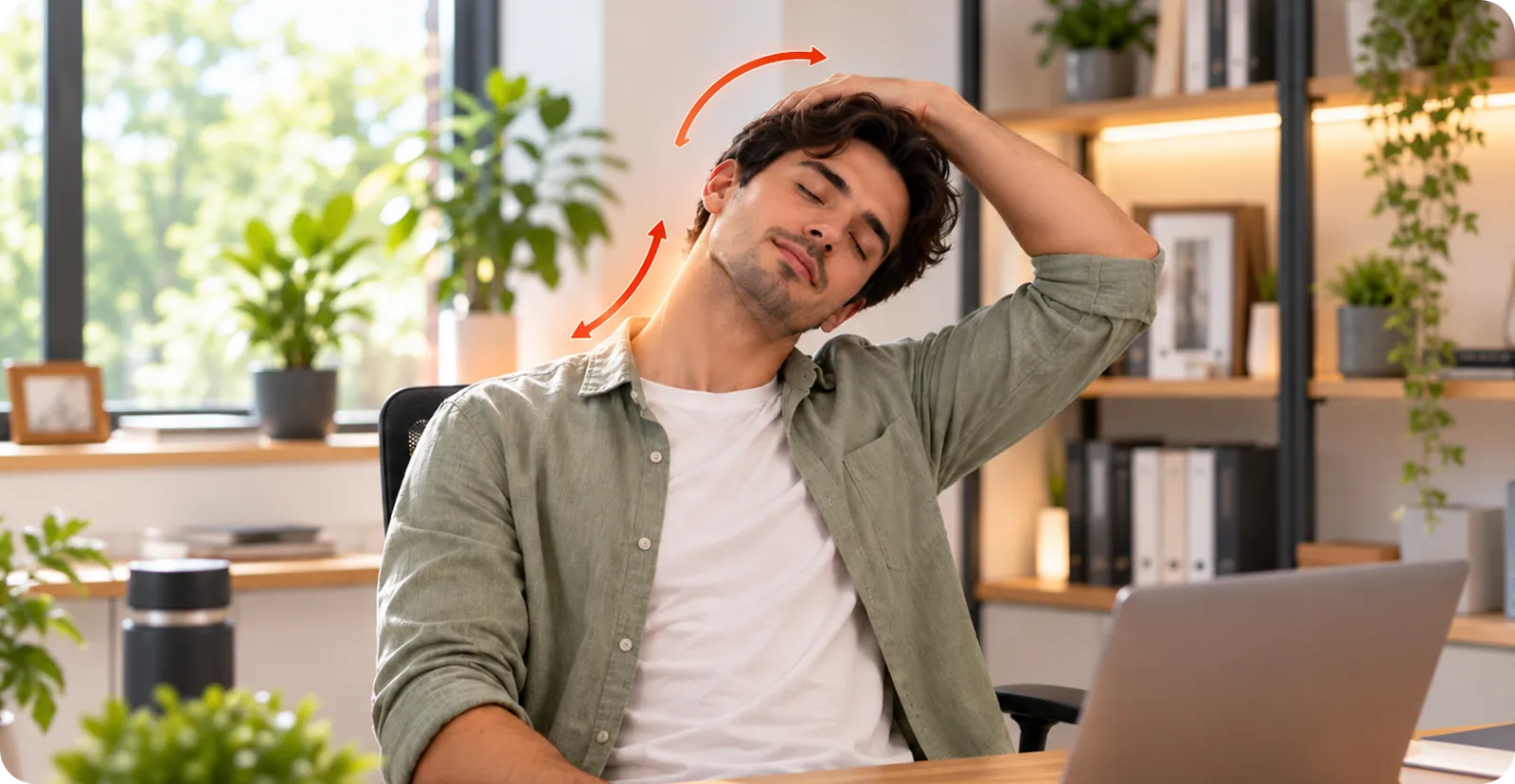
Simple Neck Stretches You Can Do at Your Desk in 5 Minutes
Beat desk-bound neck stiffness with these simple, effective neck stretches you can do right at your workstation in just 5 minutes a day.

Why Your Neck Pain Gets Worse in the Morning (And How to Stop It)
Waking up with a stiffer, more painful neck than when you fell asleep? Here's why morning neck pain happens and how to stop it from recurring.
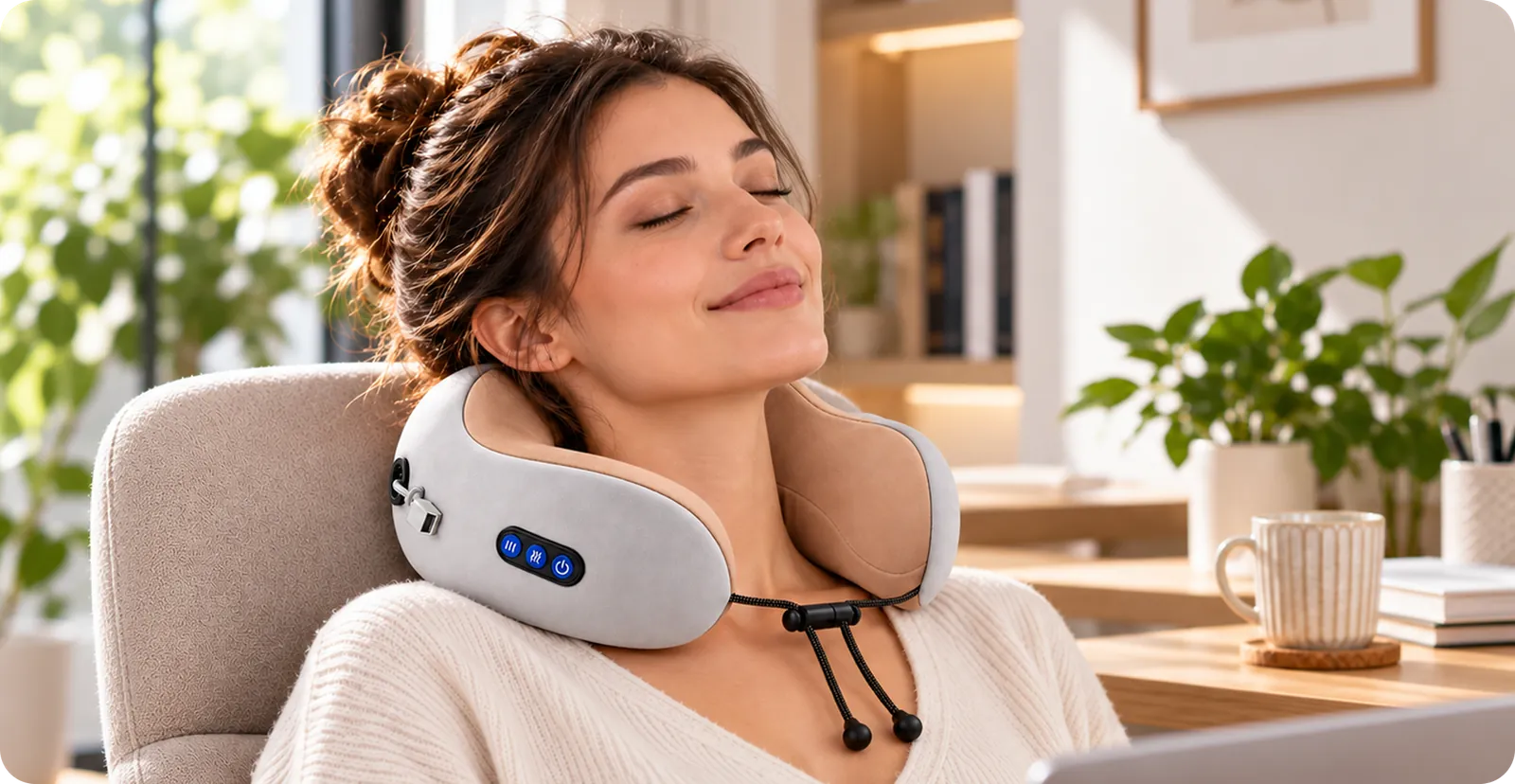
How an Electric Neck Massager Helps Relieve Chronic Tension
Chronic neck tension needs more than rest. Discover how an electric neck massager works, who it helps most, and how it eases daily muscle tightness.
Frequently Asked Questions
See what our customers have to say.
Wake Up With Better Neck Support
Premium memory foam bed pillow designed for comfortable, everyday neck support and restful sleep.
Explore Bed Pillow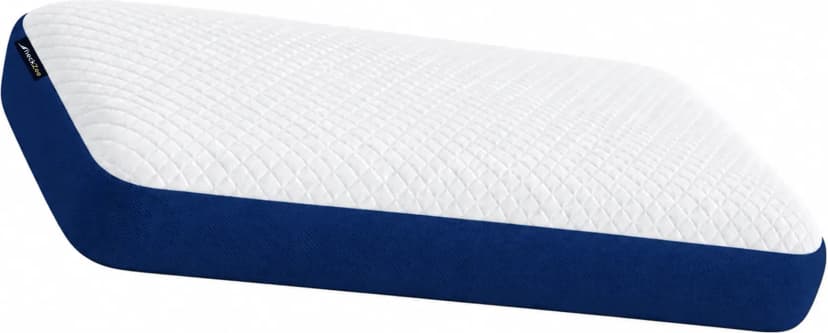

Free Shipping
Pan India

7 Days
Money Back

Secure Payment
UPI & Cards

Designed for
Better Sleep