

Neck Pain Relief & Better Sleep Guide
Expert tips, guides & sleep wellness advice to help you wake up refreshed every day.
Neck Pain Relief & Better Sleep Guide
Expert tips, guides & sleep wellness advice to help you wake up refreshed every day.
Why Desk Stretching Actually Works
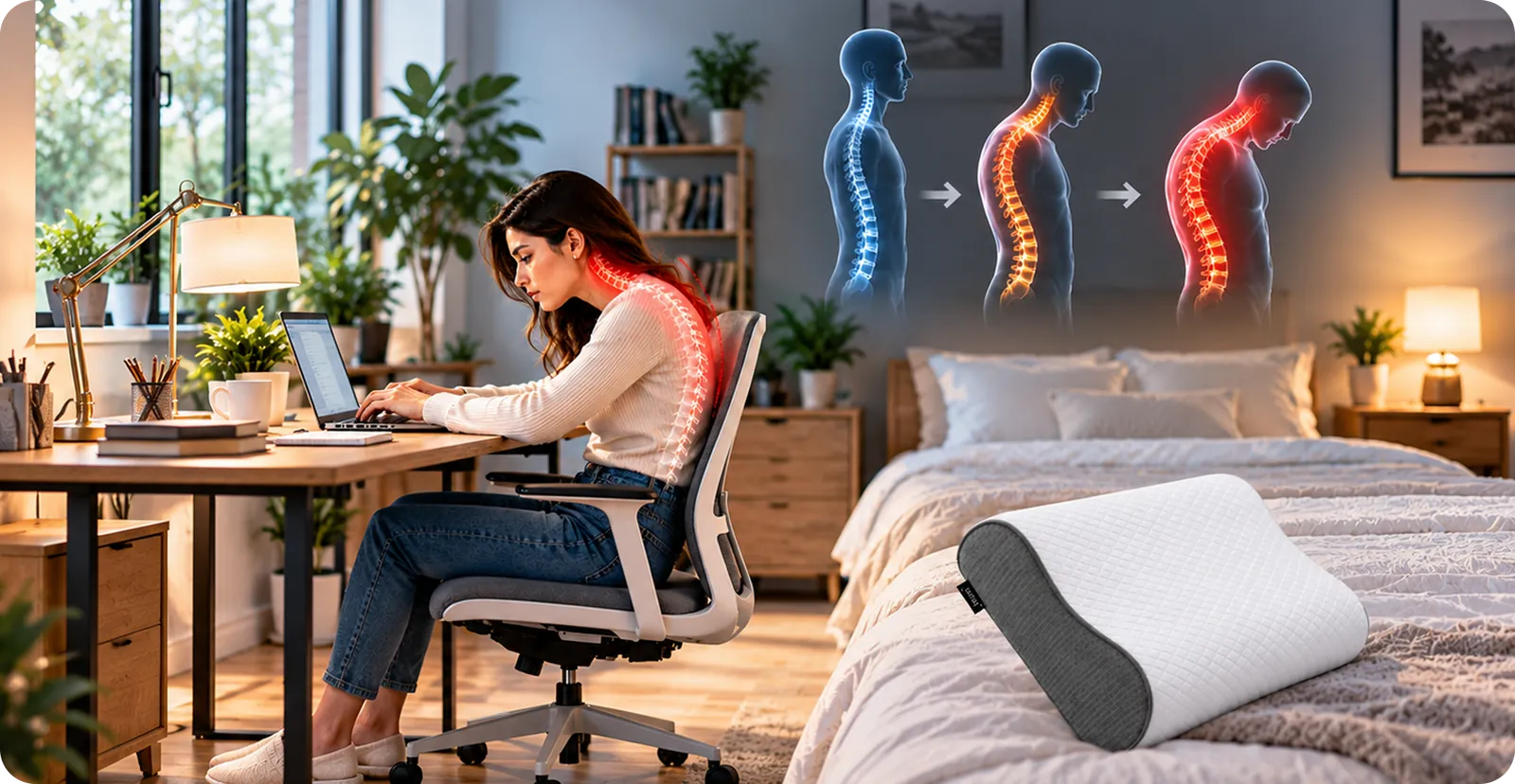
Sitting in one position for hours causes muscles around the neck and shoulders to stay contracted, restricting blood flow and building tension. Short, frequent stretching breaks the cycle before tension has a chance to settle in.
Why it matters
Research on desk-based workers consistently shows that brief, regular movement breaks reduce reported neck and shoulder discomfort more effectively than occasional longer stretching sessions.
Consistency matters more than duration — a few minutes, done regularly, beats one long stretch once a week.
Five Stretches to Try Right Now
Each of these can be done seated, without leaving your desk, and takes under a minute.
Quick desk stretch routine
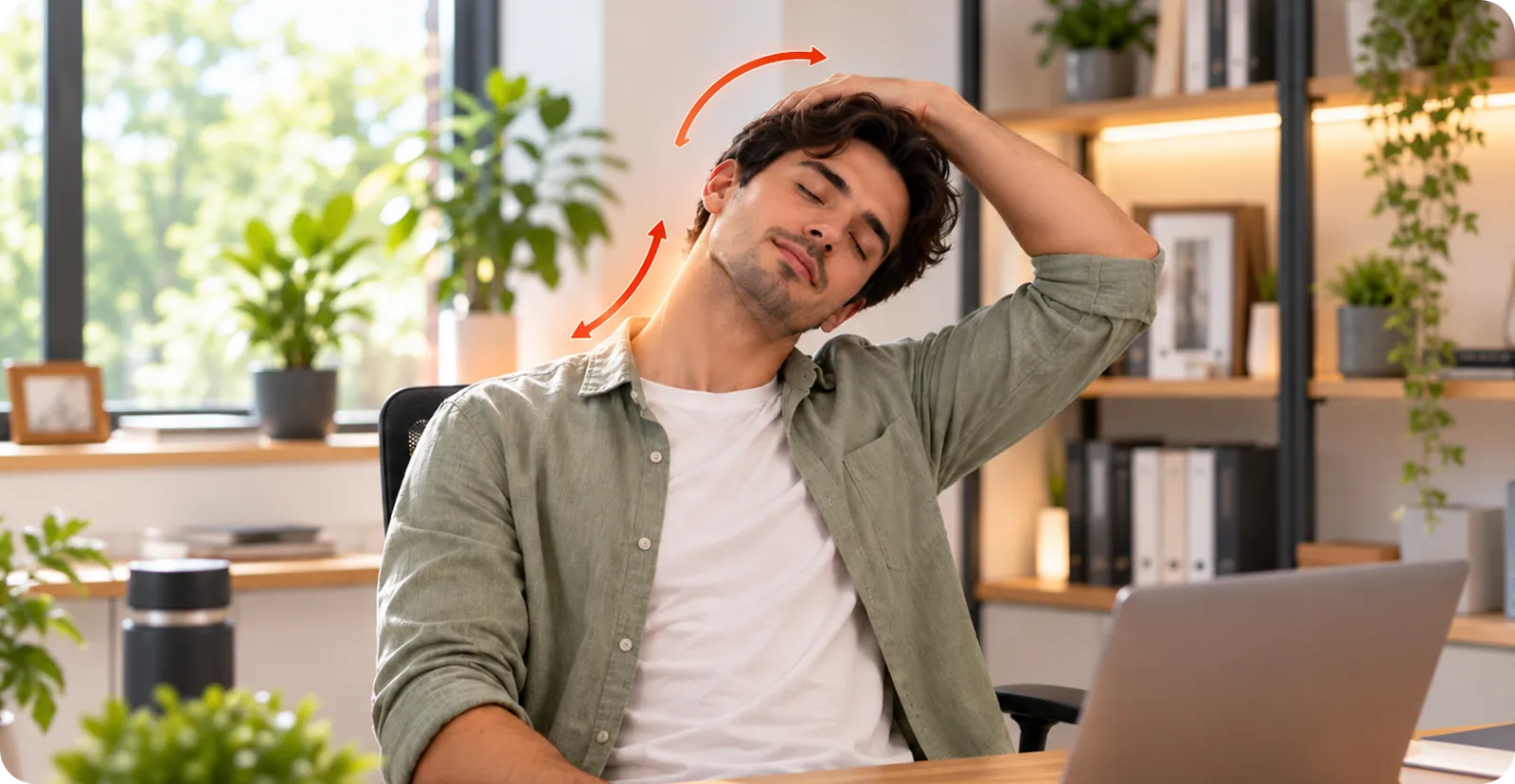
- Ear-to-shoulder tilt: Gently tilt your head toward one shoulder, hold 15-20 seconds, switch sides.
- Chin tucks: Pull your chin straight back to align your ears over your shoulders, hold 5 seconds, repeat 10 times.
- Neck rotation: Slowly turn your head to look over each shoulder, holding briefly at the end range.
- Shoulder rolls: Roll shoulders backward in slow circles to release upper trapezius tension.
Run through all four and you've covered most of the tension points that build up during desk work.
Making It a Habit
The biggest barrier to stretching isn't the movements themselves — it's remembering to do them during a busy day.
How to stay consistent
Pair your stretch break with something you already do regularly, like refilling your water bottle or between calendar meetings. Setting a recurring reminder for every hour or two is often enough to build the habit without requiring extra willpower.
Once it's tied to an existing routine, five-minute stretch breaks stop feeling like one more task to remember.
What to Avoid While Stretching
Not all neck movement is helpful, and a few common mistakes can turn a stretch break into unnecessary strain.
Common mistakes
- Forcing the stretch: Pushing into sharp pain rather than gentle tension can aggravate tissue.
- Bouncing movements: Jerky, repeated motions increase injury risk compared to slow holds.
- Skipping both sides: Stretching only the tighter side can worsen imbalance over time.
- Ignoring shoulder position: Hunched shoulders during neck stretches reduce their effectiveness.
Slow, controlled movement within a comfortable range gets better results than pushing for a deeper stretch too quickly.
Building a Complete Anti-Stiffness Routine
Stretching works best as part of a broader daily rhythm rather than an isolated fix — pairing it with a few complementary habits multiplies its effect.
What to pair it with
- Standing breaks: Standing every 30-45 minutes reduces the static loading that causes stiffness.
- Hydration: Well-hydrated muscles and connective tissue tolerate stretching better.
- Desk height check: A monitor set too low is often the root cause stretching alone can't fix.
- Evening wind-down: A few extra stretches before bed can reduce how tight your neck feels in the morning.
None of these require significant extra time, but together they compound into a noticeably looser, more resilient neck over weeks.
Small Breaks, Real Relief
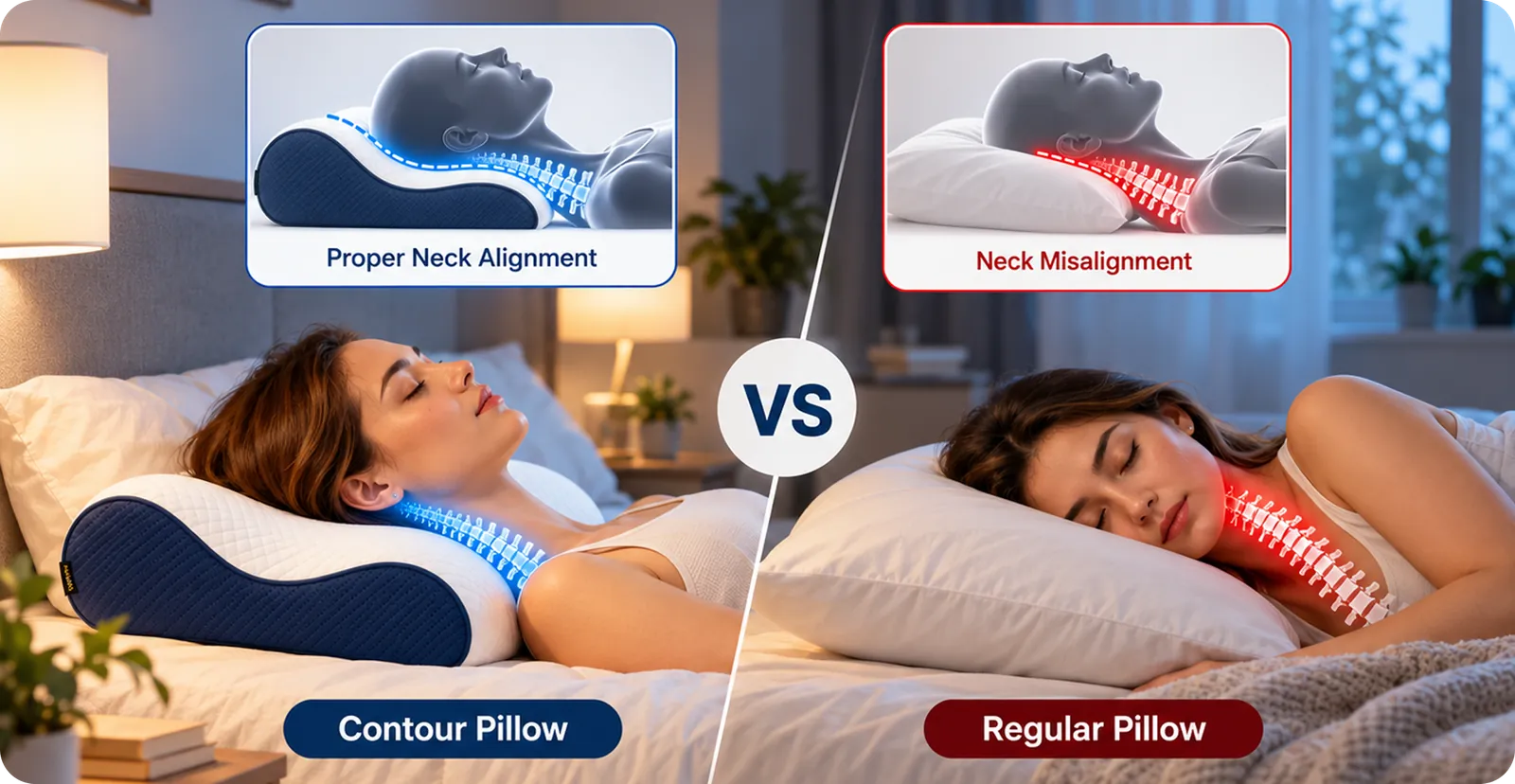
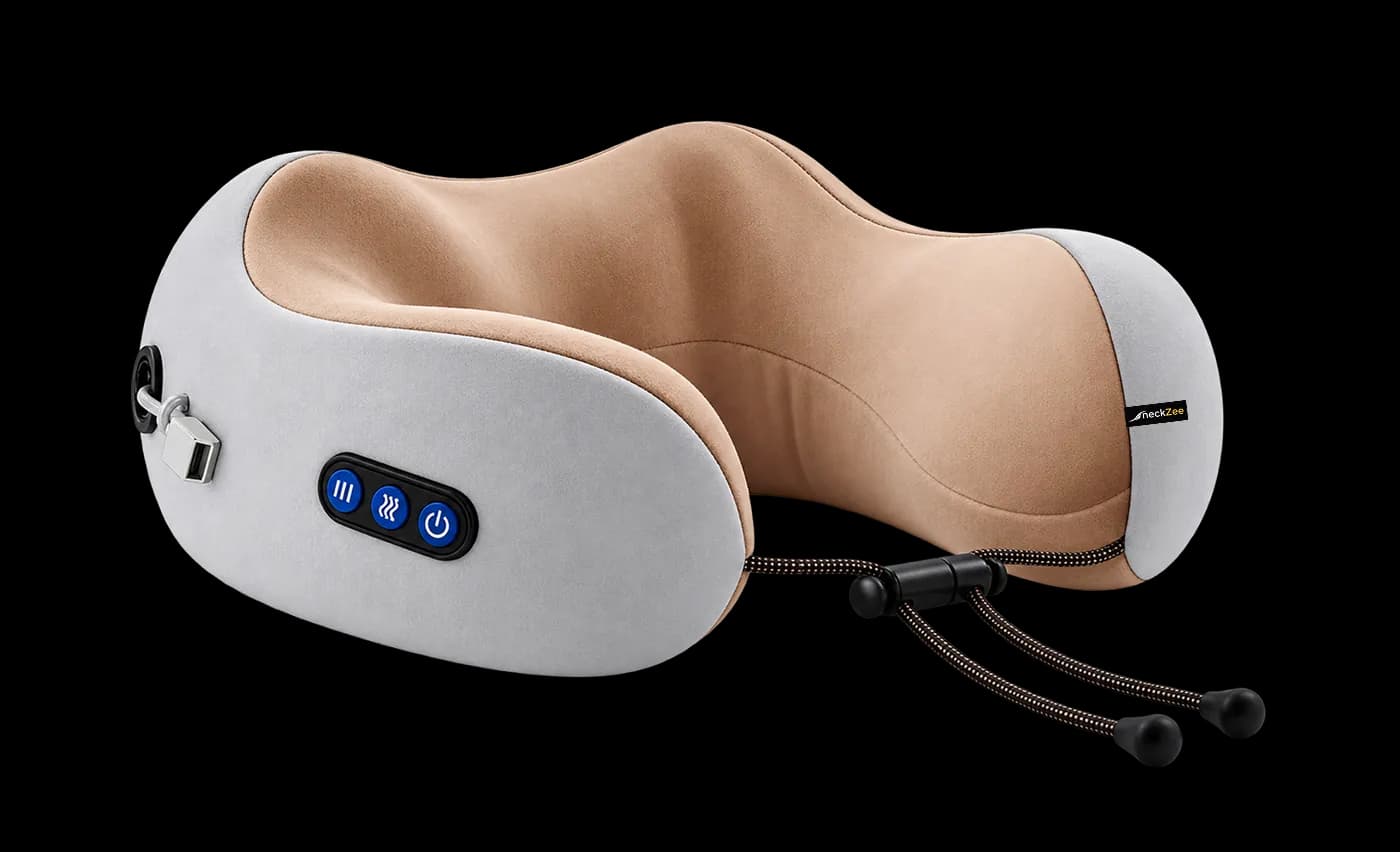
Desk-related neck stiffness builds up gradually, which means it can also be reduced gradually with consistent small breaks. Pairing daytime stretches with proper neck support overnight gives your neck a genuine chance to recover rather than accumulating tension day after day. Treat these stretches as maintenance, not a cure for an already injured neck — if pain persists beyond mild stiffness, it's worth checking in with a physical therapist rather than stretching through it. Over a few weeks of consistent practice, most people notice they need the stretches less often, as baseline tension drops rather than simply being temporarily relieved each time. That shift — from constant management to genuine prevention — is the real goal of a desk stretch routine. If you share a workspace with others, consider suggesting a shared stretch reminder — habits are easier to keep when they're social rather than solitary, and a coworker doing the same stretches nearby is an easy reminder on busy days. After your stretches, an electric neck massager can help loosen any tension that lingers.
Five minutes of movement can undo hours of sitting still.
Search Blogs
Categories


Stay Updated With Sleep Tips & Offers
Join our newsletter and get expert sleep tips, new product updates & exclusive offers.
No spam, ever. Unsubscribe anytime.

Related Blogs
Keep reading for more tips on better sleep, posture and neck comfort.

Text Neck Syndrome: Causes, Symptoms and How to Fix It
Constant phone use can cause 'text neck.' Learn the symptoms of text neck syndrome, what causes it, and practical ways to relieve and prevent it.

Why Your Neck Pain Gets Worse in the Morning (And How to Stop It)
Waking up with a stiffer, more painful neck than when you fell asleep? Here's why morning neck pain happens and how to stop it from recurring.

Neck Pain vs Shoulder Pain: How to Tell the Difference and Treat Each
Neck and shoulder pain often overlap but need different care. Learn how to tell them apart, what causes each, and the best way to treat both.
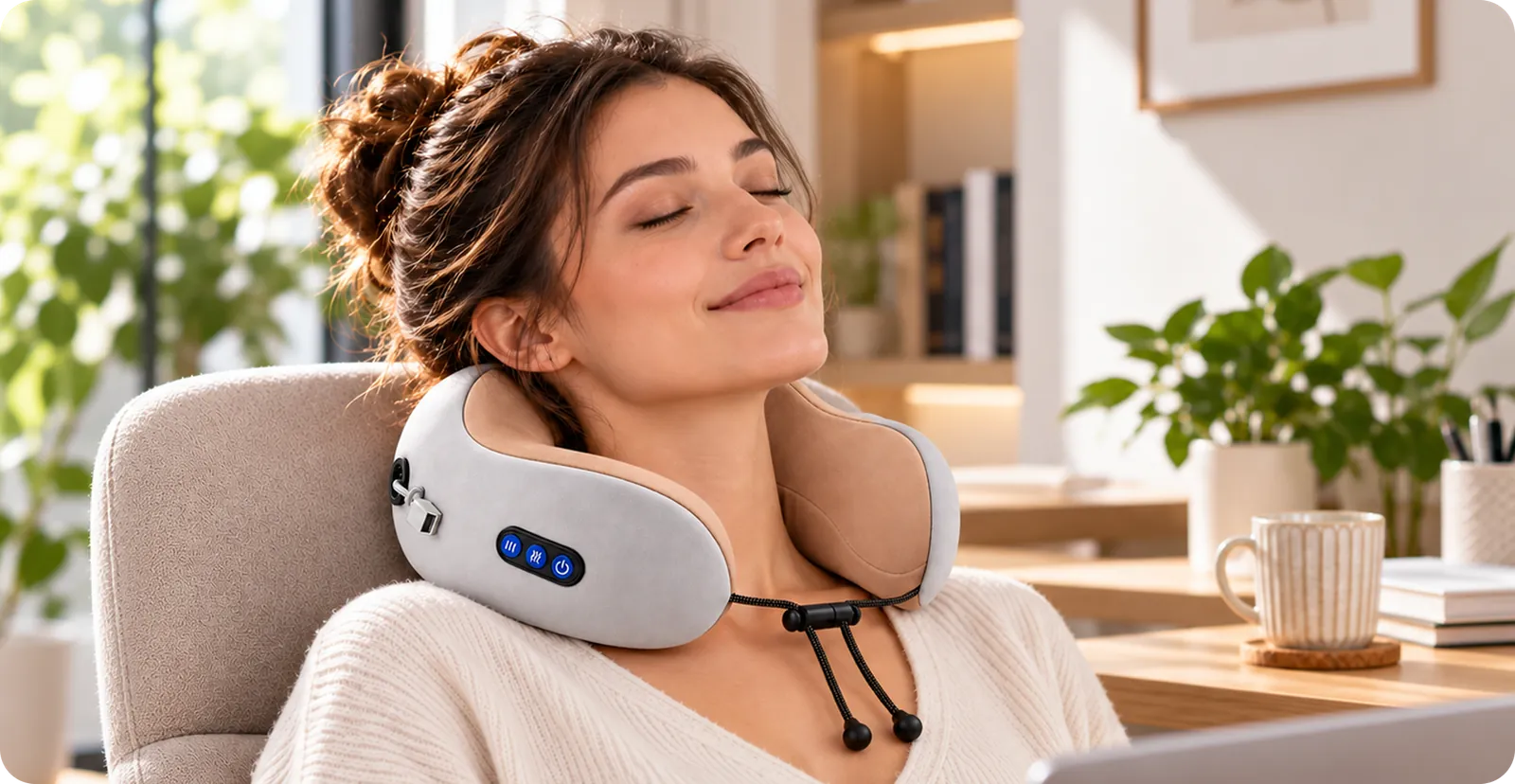
How an Electric Neck Massager Helps Relieve Chronic Tension
Chronic neck tension needs more than rest. Discover how an electric neck massager works, who it helps most, and how it eases daily muscle tightness.
Frequently Asked Questions
See what our customers have to say.
Wake Up With Better Neck Support
Premium memory foam bed pillow designed for comfortable, everyday neck support and restful sleep.
Explore Bed Pillow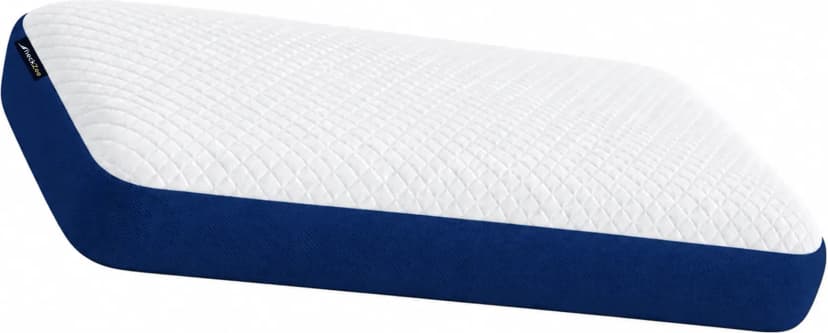

Free Shipping
Pan India

7 Days
Money Back

Secure Payment
UPI & Cards

Designed for
Better Sleep